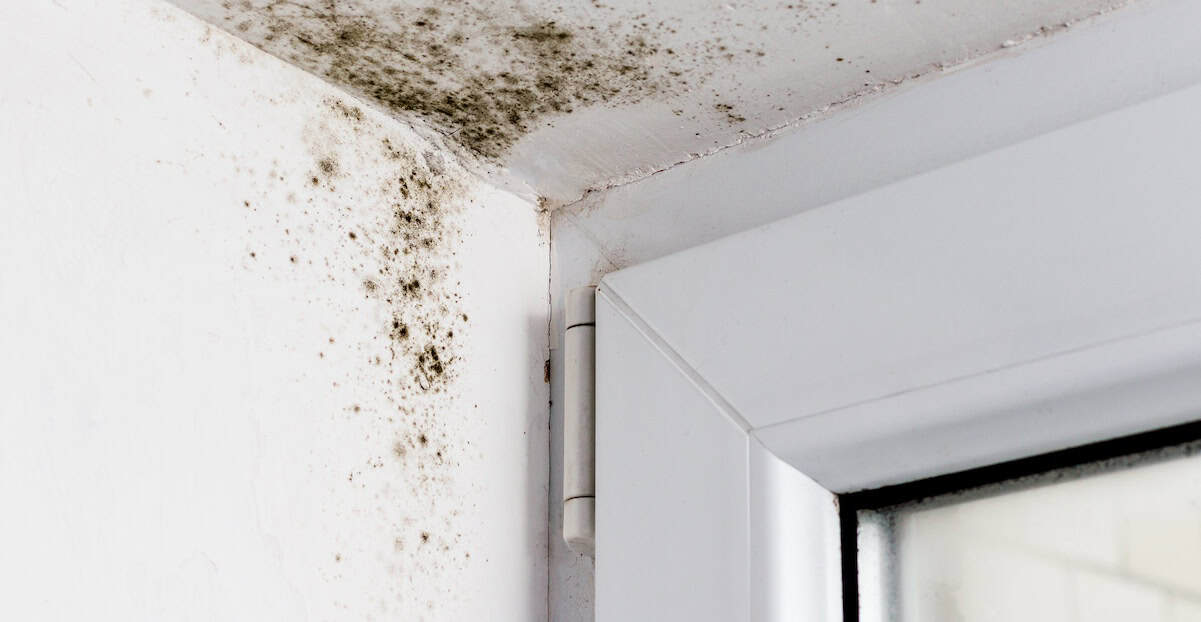
Mold and moisture problems are among the most common indoor air quality (IAQ) issues facing homeowners across North Carolina. Thanks to the state’s humid climate, extended heating and cooling seasons, and frequent storms, homes are especially vulnerable to excess moisture buildup. Searches like “mold in house symptoms,” “musty smell HVAC,” “crawl space humidity,” and “black mold testing” continue to trend as more homeowners seek solutions for poor indoor air quality.
The air inside your home can often be more polluted than the air outside, especially when moisture, dust, and allergens become trapped in your HVAC system and throughout your living spaces. Without proper filtration, ventilation, and humidity control, contaminants can circulate throughout the home, compromising comfort and health.
Common Causes of Mold and Moisture Issues in NC Homes
North Carolina homes face several unique conditions that contribute to mold growth and humidity problems.
High Humidity Levels
Warm outdoor air naturally carries high moisture levels for much of the year. When humid air enters your home, especially through crawl spaces or poorly sealed areas, it can create condensation and damp conditions that encourage mold growth.
Crawl Space Moisture
Many homes in North Carolina are built with crawl spaces, which are one of the biggest sources of indoor moisture problems. Vented crawl spaces often allow humid outdoor air to enter beneath the home, where it condenses on wood framing, insulation, and ductwork.
Hidden moisture problems in the crawl space can eventually affect the entire home.
HVAC System Issues
Your HVAC system plays a major role in indoor air quality. Poor maintenance, clogged drain lines, dirty filters, or moisture buildup inside ductwork can lead to the familiar “musty smell HVAC” problem. Once mold develops inside the system, spores may circulate through the air every time the system runs.
Storms and Flooding
Heavy rain, hurricanes, and plumbing leaks can quickly introduce moisture into walls, flooring, and insulation. If water damage is not addressed immediately, mold can begin growing within 24 to 48 hours.
Signs You May Have Mold or Indoor Air Quality Problems
Many homeowners notice symptoms before they ever see visible mold. Common warning signs include:
- Frequent dust buildup despite regular cleaning
- Lingering musty odors
- Allergy or asthma symptoms that worsen indoors
- Stuffy or stagnant-feeling rooms
- Dry or irritated eyes, skin, or throat
- Visible dust near vents in sunlight
- Mold growth in damp or poorly ventilated areas
If anyone in your household deals with allergies, respiratory sensitivities, or excessive dust, it may be time to consider professional indoor air quality services.
Indoor Air Quality Solutions That Help Reduce Mold and Moisture
Because every home is different, effective indoor air quality solutions should be customized to your specific concerns and HVAC system.
Air Filtration & Air Cleaners
Upgraded filtration systems capture more dust, pollen, pet dander, and airborne particles than standard HVAC filters. Solutions may include:
- High-efficiency HVAC filters
- Whole-home media air cleaners
- Electronic air cleaners
These systems help reduce contaminants that circulate through your home.
Whole-Home Air Purification
Whole-home air purification systems can help reduce airborne particles, odors, and certain contaminants. These systems integrate directly with your HVAC equipment to improve overall indoor air quality throughout the home.
Humidity Control
Balanced humidity is critical in North Carolina homes. Air that is too humid encourages mold growth, while overly dry air can create discomfort and irritation. Whole-home humidity control solutions help maintain healthier moisture levels while protecting wood floors, furniture, and fixtures.
Many homeowners discover that whole-home humidity systems are often more effective than portable units alone.
Ventilation & Airflow Improvements
Proper ventilation helps fresh air circulate more effectively and prevents stagnant air from trapping moisture indoors. Improving airflow throughout the home can significantly reduce indoor air quality problems.
Why Professional Mold and IAQ Services Matter
Professional indoor air quality services focus on identifying the root cause of moisture and air quality concerns, not just masking symptoms. A thorough evaluation typically includes:
- Discussing comfort concerns or allergy symptoms
- Reviewing your HVAC and filtration setup
- Identifying moisture sources and airflow issues
- Recommending practical solutions that fit your home and budget
North Carolina public health agencies continue to identify mold, moisture control, and HVAC maintenance as major indoor environmental concerns. Taking a proactive approach can improve comfort, protect your home, and help your family breathe easier year-round.
Breathe Easier with The Air Dude
At The Air Dude, we take a whole-home approach to comfort by addressing temperature, humidity, airflow, and indoor air quality all at once. Our goal is to provide honest recommendations and customized solutions that help Waxhaw homeowners enjoy cleaner, healthier indoor air.
If you’re concerned about allergies, dust, odors, or overall indoor comfort, professional indoor air quality services in Waxhaw, NC, and the surrounding area can help create a cleaner, more comfortable home for your family year-round. Contact us today to learn more!